The post State St. Wheat appeared first on bake blog.
]]>Here in the United States, a bread revolution unfolded in small pockets of the country, beginning as early as the late 70s and then more extensively in the 80s and early 90s. People began to relearn the art of baking naturally leavened (sourdough), hearth-baked breads—often round and crusty, very different from grocery store bread.
 Today, a loose collaborative of bakers is trying to start another revolution. We are calling ourselves The Bread Lab Collective. We’re a national group of craft bakers, millers, teachers, students, and wheat breeders inspired by the work of The Bread Lab of Washington State University to work together to make nourishing sandwich bread available nationwide. Together, we’ve set out to create pure and simple whole grain sandwich breads that have broad appeal—familiar flavor, familiar texture, familiar shape—but are healthier than mass-produced, grocery-store bread because of our ingredient choices and artisan baking techniques.
Our goal is to bring nourishing bread to more people in our communities and to inspire other artisan bakers to join us so that Bread Lab Collective sandwich bread is available in every state. We’re excited to be teaming up with more than a dozen other bakeries from across the country, including King Arthur Flour Bakery (Vermont), Barrio Bread (Arizona), Seven Stars Bakery (Rhode Island), Breadfarm (Washington State), Prager Brothers (California), and Elmore Mountain Bread (Vermont), as founding members.
Each bakery in the Collective has made something a little different, in keeping with local tastes and ingredients and with their bakery’s flavor and process preferences. The Collective wants some degree of consistency, so we’ve agreed upon a set of specific criteria to bake by; here they are:
-
The loaves need to be reminiscent of what many of us are used to on the grocery store shelves: bread that is sandwich shaped, soft, sliced and packaged in plastic, with at least a one-week usability, and is good for all the typical things Americans make with sandwich bread (grilled cheese, peanut butter and jelly sandwiches, basic toast).
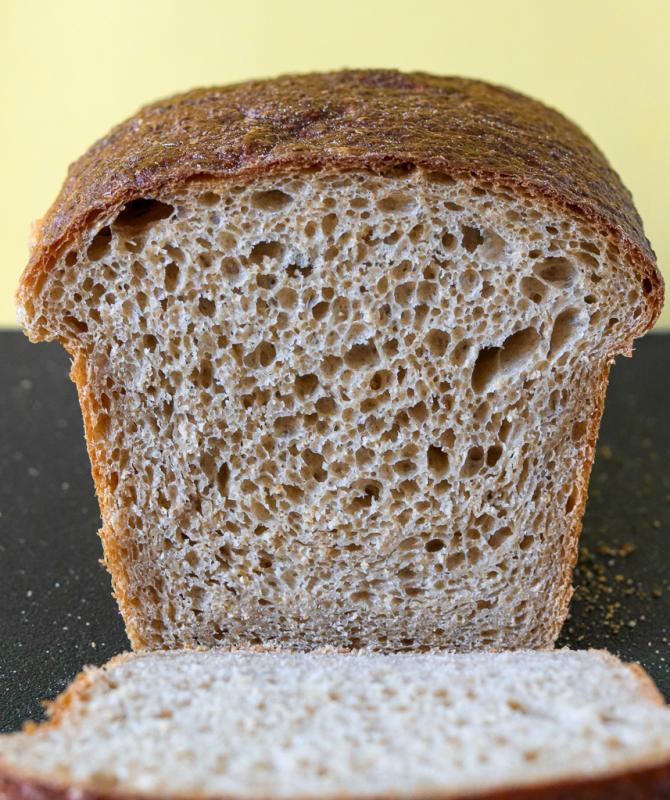 As artisan bakers, we customarily make crusty breads in many different shapes, sold unsliced in paper bags, so this was a significant departure from our typical approach.
-
The Bread Lab Collective loaves boast short and understandable ingredient lists—seven ingredients or fewer is the agreement! This was normal for most of us, so less of a challenge. Check out the label on some highly manufactured breads and you’ll see a much longer list of ingredients, many of which will be unrecognizable as food.
-
Loaves made for the Collective are mostly naturally leavened, meaning that they’re made with a sourdough process, and are good to eat for a full week. Making a naturally leavened bread in a pan and achieving the texture and loft many of us are used to from grocery store bread takes some skill and experimentation. We were all up for it. The naturally leavened process actually lends itself to a longer shelf life so that was to our advantage. Freshly milled whole grain also has longer keeping qualities.
How is our loaf different from typical grocery store bread? Most grocery-store bread is made with a considerable amount of commercial yeast, which allows it to be made quickly and cheaply. Furthermore, typically added fats, sugars, preservatives, and other dough conditioners give grocery-store bread its workability to achieve a lofty look as well as its desired texture and flavor. By keeping our bread naturally leavened (sourdough) and using the right artisan baking techniques, we don’t need to rely on heavy quantities of commercial yeast or multiple additives to create an appealing and nutritious loaf.
-
Finally, at least 50% of the flour used in the loaves must be whole grain. The Bread Lab Collective wants the bread to provide nourishment. Having it taste and look familiar with at least this much whole wheat was also a challenge to our baking skills.
The Bread Lab Collective is passionate about supporting the work of the Bread Lab at Washington State. To this end, we’ve also all agreed that ten cents from each purchase of State St. Wheat will go to the Bread Lab to fund further research designed to make projects like this possible.
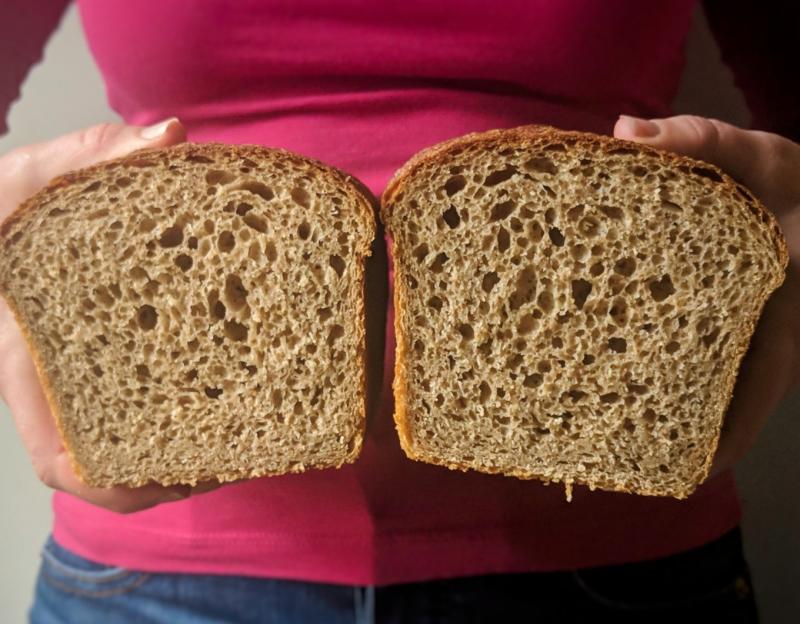
We’re done with our experimenting at the Bakehouse and are ready to introduce State St. Wheat. We’re using just five ingredients in all, including local wheat and rye, along with Michigan honey, olive oil, and sea salt—that’s it! And, of course, we’re also adding in some extra attention to detail.
Hazim Tugun, who works on recipe development and grain milling at the Bakehouse, describes our process, clearly showing the care we take: “Our team freshly mills Michigan-grown, organic soft white wheat and combines it with stone-ground, high-extraction, Michigan-grown hard red spring wheat flour we get from our miller in Traverse City. We take the extra step to lightly cook (scald) a portion of that freshly milled soft white flour for added sweetness and moisture. All of that goes into a naturally leavened dough with a touch of Michigan honey and olive oil for a same-day fermentation to keep the flavors mild. The loaves get a gentle bake in our convection ovens to achieve a thin, relatively light-colored crust. The result is a flavorful sandwich loaf where you can taste the grain, with the added bonus of a tender and moist crumb, and a relatively long shelf-life.”
Ready to taste? Stop by the Bakeshop and ask for a sample of State St. Wheat (or any of our breads!), and watch our bread bakers in action while you’re here. Maybe you’ll even get a little sneak peek of State St. Wheat headed into the ovens! State St. Wheat will also be available at some of the other locations where our breads are sold. It will be the only Zingerman’s Bakehouse bread sliced, in a plastic bag with a bright label, so you won’t be able to miss it.
Our goal is to sell State St. Wheat so that shoppers in many stores will have access to this familiar yet different, more flavorful and nourishing loaf.
By Amy Emberling, Bakehouse managing partner
The post State St. Wheat appeared first on bake blog.
]]>The post In Search of Naturally Fermented Bread? appeared first on bake blog.
]]>Fermentation is hot! It’s everywhere—in kombucha, kimchi, and miso; in all kinds of alcohol; in cheeses and yogurt; in coffee beans for our favorite morning beverage and cocoa beans for chocolate; in pickles; and of course in naturally leavened (sourdough) bread. There are bookshelves full of cookbooks on how to ferment all sorts of things (look up Sandor Katz, who has led the most recent fermentation revolution). For those of us who prefer to learn by doing in a social setting, there are even weekend festivals about fermentation—check out the 9th annual Fermentation Festival held in Wisconsin. The last two summers we’ve even hosted Amanda Feifer of the website Phickle at BAKE! to teach fermentation classes (they sell out in a matter of hours!).
What’s all the brouhaha about? Fermentation is all the rage because it seems to be great for our bodies and fermented foods taste delicious! Health and flavor together? Can’t beat that! Probiotics, created during fermentation, are purported to improve our gut health, possibly leading to better digestion, stronger immune systems, and a healthier weight. Fermentation may take care of our microbiome, which, when healthy, seems to have a remarkably positive influence on the rest of our body.
As is often the case, the newest fads frequently have long histories. Fermentation is an ancient food preservation technique that humans have been using intentionally for literally thousands of years. It extends the life of food and can make it taste better. It’s a natural process through which microorganisms like yeast and bacteria convert carbohydrates—like starch and sugar—into alcohol or acids that give food a distinctive flavor, ranging from tart to savory. The fermentation process promotes the growth of good bacteria, known as probiotics, and their by-products, such as organic acids, keep the bad microorganisms out, which can otherwise make us sick. Fermentation can occur naturally, no human hands needed, and we can harness it ourselves in an attempt to control the outcome, giving us the level of sour or the spectrum of flavors and textures we prefer.
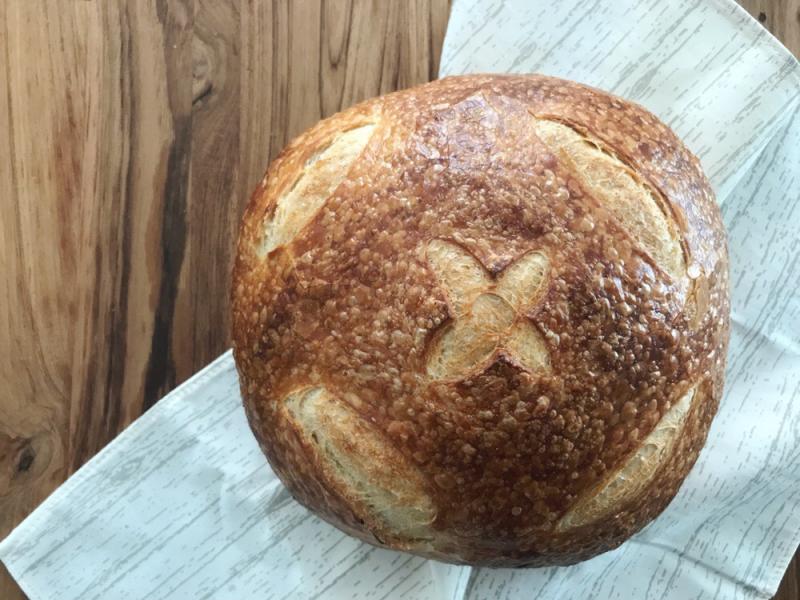
As artisan bakers, we are very happy to tell you that many of the breads we bake are naturally fermented. These breads don’t use any commercial yeast—the sourdough starters are kept alive and fed daily in preparation for addition to the final mix. They start with the fewest ingredients, but thanks to the fermentation time (anywhere from 14 to 18 hours, depending on the type of bread) they have the most complex flavors.

We’ve noticed lately that customers don’t know what to ask for when they want a bread with a long fermentation and sometimes people think the word sourdough must be in the name to be the “right” bread. So what do you ask for if you’d like a naturally fermented bread? At Zingerman’s Bakehouse, we use the terms “sourdough” and “naturally leavened” interchangeably for our naturally fermented breads. I personally prefer to say naturally leavened because sourdough implies that the bread will taste sour, and that is not always the case.
Fermented bread can come in the full range of sweet to very sour depending on how the fermentation process is handled and what kind of ingredients are used. For example, the Italian Christmas bread panettone is traditionally naturally leavened and it is definitely sweet and milky in flavor, not sour. Our Better than San Francisco Sourdough is the tangiest of all of our naturally leavened breads, and our newest bread, State St. Wheat, isn’t sour at all, but they are both fermented breads made with natural starters. Our Cinnamon Raisin and Chocolate Cherry are certainly sweet with a slight background note of tanginess and they are also both naturally leavened. Pecan Raisin is another naturally leavened bread with a not-so-pronounced tang, but just enough to add an unmatched savor to the delicious pecans and raisins. Whether sweet or tangy, or somewhere in between, we as bakers strive for fully fermented breads to give you the best experience in terms of flavors, textures, and aromas as well as nutrition and digestibility.

So if you’re looking for breads made from natural starters, with no commercial yeast, and long fermentation times, we bake almost 20 different choices—with lots of flavor and texture variations whether you want to call them sourdough or naturally leavened. Need a few names to start your personal research? Farm, True North, Pecan Raisin, Cinnamon Raisin, Country Miche, Walnut Sage, Chocolate Cherry, 8 Grain 3 Seed, Vollkornbrot and Freekeh Fougasse are all naturally leavened breads.
Come in and do a tasting to experience the breadth of flavors possible from fermentation in naturally leavened breads. Feel free to ask us for samples and find your personal favorites!
By Amy Emberling, Bakehouse managing partner
Second photo by Antonis Achilleos
The post In Search of Naturally Fermented Bread? appeared first on bake blog.
]]>The post Banana Bread, Paradoxes, and Peels appeared first on bake blog.
]]>
I love playing with paradoxes. They help me create new realities, new possibilities. They are freeing.
A paradox that we’ve been playing with at the bakery this year has been “less is more.” Do less processing to the food and the result will be more — more flavor, more texture, more color, and more nutrition. The other less will be waste, because we will be reducing it by using the whole food. Hence the connection to Earth Day.
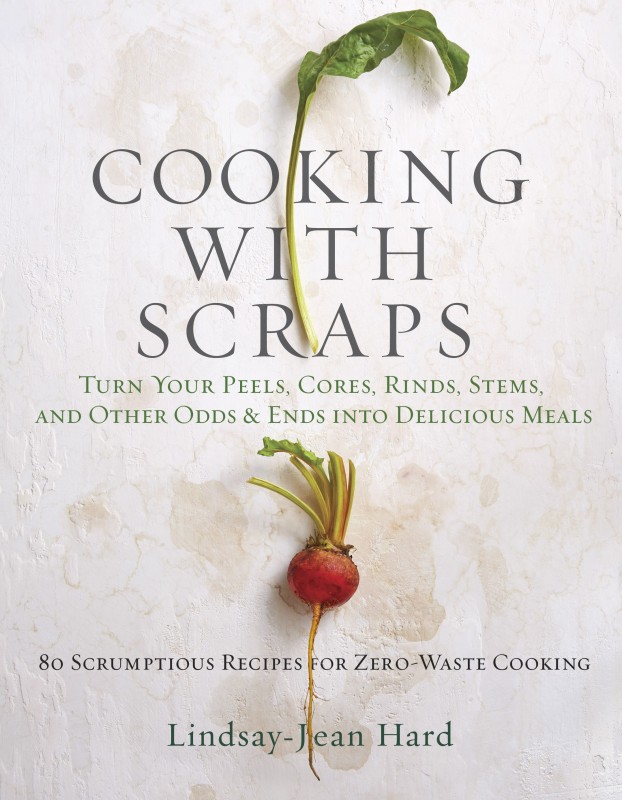 It all began when I met a woman last summer. A former co-worker had gotten in touch with me to say that her friend was publishing a book about cooking with food scraps, the parts of food that we regularly assume have no value and throw away. My colleague knew that we sometimes invite people to give guest cooking demonstrations. She wondered if we’d consider inviting her friend. The friend and I talked. We made plans. Why not? It was an interesting idea. It’s actually an important idea—throwing out less food—and she lived right here in Ann Arbor. I wanted to support her for all of these reasons.
Two months later the friend applied for a job at the bakery. What a fantastic surprise! She is now my co-worker and her name is Lindsay-Jean (LJ) Hard.
Our brief encounter in the summer had gotten me thinking about the scraps at the bakery. There are many parts of food that we throw out at the bakery in our process of cooking and baking – coffee grinds, egg shells, onion skins, the peels of many fruits and vegetables, as well as the peel of wheat berries otherwise known as bran. Could we find uses for all of these so-called scraps? I hadn’t acted yet. I was still chewing on the idea. Then LJ arrived and we had an expert to work on this with. Even more importantly we now had someone to actively encourage us.
We have always actively tried to limit the amount of food we waste, as do most food businesses. The foods we’re usually thinking of, however, are the raw ingredients we intend to use and the completed foods we’ve prepared. We minimize scraps, like peeling as little onion as possible, but we assume that some amount will not be used. I for one had blinders on about some of the parts of food we considered scraps. We’ve now begun to systematically look with fresh eyes at these scraps considering how to use or repurpose them in environmentally sustainable ways.

So far this year, our fresh perspective has led us to stop our habit of peeling. We are doing less to our fruits and vegetables and to some of our wheat berries by leaving on the peels. Carrots in carrot cake. No reason to peel them. Apples for apple pie. No reason to peel them. Bananas for banana bread. No reason to peel them. Yes! I mean it! All of our loaves of banana bread are now made with unpeeled, fully ripened bananas. We were throwing away pounds of nutritious, flavorful food for no good reason. We’ve questioned our assumed practices and have stopped composting literally thousands of pounds of nutritious, flavorful peels. We had already been on the path to use more freshly milled whole grains in our baking. Now we just have another way of thinking about what we’re not doing to the wheat berries—we’re not peeling them.
Why were we peeling? I don’t really know. I can tell you some stories, some ideas I have about it. I was trained in the French tradition, which I would say was the foundation of much professional cooking in the United States. Classic French cooking, in my opinion, is the epitome of refinement, purity, beauty, precision, and artistry. Unpeeled fruits and vegetables are crude and imperfect, perhaps. They need to be made refined and peeling is part of that process. White flour was also a sign of purity and refinement in many cultures. Peeling off the bran allowed for the refinement. Then there are the assumptions we have about peels — they’re dirty, the texture is distracting and maybe bad, they add a color we don’t want.
By playing with the paradox less is more, we have freed ourselves from the unexamined bias that we need to peel. Dirt isn’t a problem because we can buy organic fruit and vegetables and wash them. Texture has turned out to be a worry people have that isn’t well-founded. The peels tend to melt into the recipe and we actually like the added color. For example, our apple pie now has a very pretty pinkish tinge to it.

To celebrate Earth Day we want to share a recipe with you. Not peeling apples and carrots isn’t shocking but not peeling bananas is a surprising idea to many of us. Why eat banana peels? They are rich in potassium and contain more soluble and insoluble fiber than banana flesh. They contain lutein which is an antioxidant associated with eye health as well as phytochemicals such as polyphenols and carotenoids, which also act as antioxidants. Less is more!
Here is our basic banana bread recipe using the whole banana. Feel free to jazz it up with nuts or chocolate. I like a little lemon zest in it. Happy Earth Day!
(PS: I drafted this post in early April. Since then, LJ’s book was nominated for the Food Matters Award by the International Association of Food Professionals. It seems that others think it is important as well. Congratulations LJ! Come and see her demonstrate her ideas for Scrappy Sweets and a Scrappy Picnic this summer at BAKE!.)
By Amy Emberling
Bakehouse Co-Owner

Zingerman’s Bakehouse Banana Bread Recipe
Yield: One 8 x 4-inch loaf
Ingredients Volume Pounds Grams
Organic bananas 3/4 cup 0.35 lb 160 g
(prep below, about 2)
Butter (melted) 1/4 cup + 1 Tbsp 0.16 lb 73 g
Granulated sugar 1/2 cup + 1/3 cup 0.30 lb 136 g
Vanilla extract 1/2 tsp 1/2 tsp 1/2 tsp
Whole eggs (XL, room temp) 1 each 1 each 1 each
All-purpose flour 1 cup 0.32 lb 140 g
Baking soda 1/4 + 1/8 tsp 1/4 + 1/8 tsp 1/4 + 1/8 tsp
Sea salt 1/4 + 1/8 tsp 1/4 + 1/8 tsp 1/4 + 1/8 tsp
For conventional ovens, preheat the oven to 350°F 20 minutes prior to baking.
-
Prepare the bananas. Let them ripen until mottled with black spots. Wash them well, cut off both ends and freeze at least overnight. Defrost. As the bananas freeze and defrost they will turn black. They do not need to be black prior to freezing.
-
Weigh the bananas and put them into a Cuisinart. Puree until they are a smooth paste. You may see tiny dark specks of the peel. This is fine.
-
Put the bananas in a mixing bowl. Add the granulated sugar, egg, vanilla extract, and melted butter to the bowl and mix well. Scrape the bowl and spoon with a spatula or bowl scraper to incorporate into the batter.
-
Mix the dry ingredients together and add to the batter. Mix only to incorporate, scrape down the bowl and spoon, and stir in any streaks.
-
Deposit the batter in a non-stick or sprayed 8×4-inch loaf pan.
-
Bake in a preheated oven for 40 minutes.
-
Insert a tester into the center of the banana bread to check for doneness. The tester should not have any batter stuck to it and the loaves should be a nice golden brown color.
-
Allow the loaves to cool completely before slicing or freezing. Banana bread can be stored at room temperature in plastic for up to a week or frozen for up to two months. Thaw on the counter at room temperature.
The post Banana Bread, Paradoxes, and Peels appeared first on bake blog.
]]>The post Some Granular Facts About Grains appeared first on bake blog.
]]>Archaeologists recently found the earliest bread (around 14,000 years)—a mixture of wild einkorn wheat and a kind of root vegetable—at a site in northeastern Jordan. Ancient potato bread! This was a real surprise both because it’s amazing that it was preserved and because it was thought that at this time humans mainly ate grain in the form of porridge. Around 10,000 BCE humans started a process of domesticating grain and settling down from our nomadic lifestyle into villages. Bread making at this point would be less surprising.
 Although grains have been a major part of our diet prior to the dawn of civilization, today many of us have lost even the most basic connection to them. It’s not surprising. Baking and milling are actually two domestic activities that moved out of the household and into larger-scale production comparably early in human history. With all this time, the world has gotten very good at growing and milling cereal grains—to the point that most of us haven’t felt the need to know much about them. We could go to the store or mill and buy the flour we need at any time. Our supply has been very reliable and consistent, and as a result, most of us have lost knowledge of our grains. As the Bakehouse Grain Commission pursues our work on sourcing local grains and milling, we realized we should remind all of us of some basic information about grains.
Our ultimate goal is to inspire some of you to mill your own grains at home, so that you can use freshly milled flour in your morning pancakes! It’s as easy as grinding coffee beans, and the flavor and nutritional difference is remarkable. On October 25th and 26th, Sue Becker (a home miller since the early 1990s, as well as educator and business owner) will be with us at BAKE! to host two classes about home milling. Make room on your kitchen counter for your own mill…move over Mr. Cuisinart!

Here are some basic facts:
What are grains, or as they are sometimes called, cereals?
Grains are mainly grasses. Cereal grains are members of the grass family that produce edible seeds or kernels. Examples are wheat, rice, barley, corn, oats, and rye. Although flour to most Americans refers to wheat flour, that’s because wheat is the primary grain in the US. Flour is the powder created by grinding seeds, nuts, or roots.

What is the structure of the edible seeds?
Most grain seeds have the same basic anatomy.
Chaff or hull: This is the dry, very thin protective membrane that covers the exterior of the seed for protection. We do not actually eat the chaff. Once the grain is harvested, the seeds are threshed to remove them from the stalk and release the chaff. Winnowing comes next which removes any remaining chaff. When we buy kernels to mill, this process has already been completed.
Some grains have an exterior called a hull. Hulls are much more stubborn than chaff and require some form of physical force to remove them. This is the case with barley and hence the term “pearled” barley. Barley has a hull, and it takes “pearling” to remove it.
The jargon around grains is well developed and can be confusing without a little education. Have you ever wondered why it’s called a wheat berry versus an oat groat? It’s all about whether the exterior is a chaff or a hull. Berries have chaffs and oats have hulls.
Bran: The next layer of a grain berry or groat is the bran, which many of us are super familiar with because of its high-fiber content. That’s not all that bran brings to the table. It’s high in vitamin B and iron, and has a good amount of protein and enzymes that help with digestion. When I learned about the enzymes, I wondered if some of our digestive issues around wheat might have to do with not getting these enzymes from the bran because we’re eating primarily white flour that has the bran removed. Nutritionists and doctors have often promoted eating bran for the fiber, but it also has other valuable nutritional qualities.
Germ: The germ is the smallest part of the kernel, only about 5 percent in terms of weight, but it contains the highest density of nutrients. Mostly it’s fatty acids and a very high amount of vitamin E, which is an effective antioxidant. The germ is removed from many of our store-bought flours because it can become rancid more quickly than the other components of a kernel, shortening the shelf life of the flour. For some purposes, shelf life is more important than nutrition or flavor.
Endosperm: is the largest part of the kernel. It is primarily starch and serves as the food for the plant. White wheat flour is the endosperm.
Whole wheat or whole rye or whole barley in its most correct form is the flour produced when the entire kernel of a grain is ground together and kept intact. In our country sometimes the descriptor “whole” is used but actually means that the white flour (the endosperm) is separated from the bran and the germ, and then some amount of bran and germ is added back in. The amount added in can vary by mill.

Storage and Milling
Grains are one of the few human foods that don’t have to be processed before storage, which makes them highly valuable. Remarkably, archaeologists have found stashes of ancient grain kernels that are thousands of years old and are still viable. Perhaps the resiliency of grains is one of the reasons they’ve been a part of our diet for such a long time. All they need is to be protected from moisture and infestation, which I’ll admit is not insignificant. The Bakehouse just lost 6,000 pounds of kernels at a mill because the grain developed a musty aroma and flavor from moisture.
We plan to write more fully about milling in the coming months, but for the purpose of relaying the most important basic information about grain, we think it’s good to know the difference between roller milling and stone milling.
Stone ground milling is an older form of milling in which two moving stones grind whole kernels of grain in between them. Humans, animals, water, wind, and now electricity can power the stones. One of the benefits of stone milling is that the entire kernel is ground together, meaning that the bran, germ, and endosperm all come into contact with one another. When this flour is left as is, not sifted after milling, it’s considered whole. If the miller decides to make it more refined by sifting what’s left, it still has some of the bran and germ in it because they were mixed with the endosperm during the milling process. This flour is more complex in its nutrition than what is produced by other methods, even when it is refined. Soon we will have a small stone mill at the Bakehouse. We’re looking forward to learning about milling effectively.
Roller milling is a more recent invention that allows us to mill more flour more quickly and efficiently, and it allows us to get highly refined flour. The result is the possibility of creating flour that is highly refined and only has the endosperm in it.
Two other elements of the milling process that are important for us all to know about are bleaching and aging.
First, bleaching whitens the flour, nothing else. It may not be an unhealthy process but also is not a necessary process. When bakers are working in the realm of art, and beauty and aesthetics as the primary criteria for success, then using bleached flour may be appealing, but it isn’t necessary.
Second is aging—as flours sit, they become oxidized and the enzymes inside change. When this happens, the quality of the flour in baking is more consistent and predictable, which professional bakers often prefer. Consistency certainly makes life easier. Aging can happen simply by allowing flour to sit after milling. Most artisan bakers think that three weeks is plenty of time to turn flour from “green” to aged. Not everyone wants to hold milled flour for three weeks, though—imagine the inventory space necessary! Millers came up with a chemical method of aging called bromation—they use the chemical potassium bromate, which has been identified as a carcinogen and banned in some parts of our country. It definitely is not necessary, and we recommend avoiding it. We avoid using any bromated flour at our bakery.

An Intro to Wheat! The Most Popular Grain
Wheat is the most popularly grown grain in the world. In recent years it accounted for fully one-third of the world’s cereal harvest. I imagine that there are many reasons for this, but from the perspective of a baker, I can say that it performs incredibly well in many baking contexts. It makes our lives easier.
Just one wheat?
No, there are many strains of wheat! Just like there are many different kinds of apples or grapes or basils, there are wide varieties of wheats. Some of them are in use today, and many are being brought back by interested farmers and bakers. They are referred to as heritage varieties. We can all expect to see more “named” wheats identified as ingredients in bakeries, on menus, and sold in stores. Examples of heritage grains are Red Fife and Turkey Red wheat, which we’re using in our Turkey Red Walnut bread. Understandably there’s been some confusion about this name with people wondering if there’s turkey meat in the loaf. Nope, it’s just the name of the actual strain of wheat we used. Just like other plants, these different wheats have different baking qualities and flavors.
Another group of named wheats are ancient varieties, which are being revived. Two common ones are emmer and einkorn. They are thought to be the original wheats of the ancient Middle East from which modern wheats were eventually evolved. We have been milling einkorn at the Bakehouse and using it fresh and whole in a scone. The flavor complexity—nutty, slightly sweet—immediately appealing.
Spelt and durum
These are two forms of wheat which are distinct types that have been used and named for years and perhaps more familiar to people. Durum wheat is the second most cultivated wheat in the world. It is a high-protein wheat most prevalent in southern Italy and commonly used in pasta production and some breads. It’s what we use in our sesame semolina bread. Spelt is also a member of the wheat family. It seems to have been developed around 5,000 BC. It’s the wheat we use in our Dinkelbrot. Dinkel means spelt in German.
What about the wheat we find in the grocery store?
Most of the time many of us are using unnamed, generic wheat. Bakers and millers characterize this wheat in the following three ways:
Hard/Soft: The difference between these is determined by their protein content. Hard wheat has a higher protein content, making it better for structure development and, therefore, bread baking. Soft wheat has a lower protein content and is more commonly used for more delicate baking, like cakes.
Winter/Spring: This is a reference to when the wheat is planted. Some varieties are planted in the early winter and are harvested in early spring, hence it’s called winter wheat. Spring wheat is planted in the spring and harvested in the summer.
Red/White: This descriptive is in reference to the color of the bran on the wheat berry.
How do people use these distinctions in conversation?
A baker may say that they are using a soft white winter wheat in their pie crust. Quite a mouthful and not as tasty as the actual pie! As consumers, we most often see the names bread flour, all-purpose flour, pastry flour, and cake flour. These names are indications of the protein content of the flour. Bread flour has the most at 12 percent or higher, and cake flour often has 7.5-8 percent protein. The protein content has the greatest impact on how the flour functions in baking, so it makes sense that we would want to know this when we’re purchasing the flour.
There is obviously much more to explore about grains and wheat. Expect to learn more in installment #2, as we reconnect with this ancient food source.
by Amy and the Bakehouse Grain Commission
The post Some Granular Facts About Grains appeared first on bake blog.
]]>The post Bakehouse Grain Commission Convenes appeared first on bake blog.
]]> In the last six months at the Bakehouse, we’ve started to delve deeply into the world of grains – locally grown, ancient varieties, freshly milled, and more non-wheat varieties. Behind the scenes we’ve been doing research and recipe testing that will become more visible over the coming months. Get ready! Over the next few years we’ll be sharing a lot of information about grains from stories about local farmers to milling information, to how to use them in baking and cooking. You’ll see new breads and pastries from us and evolutions of some of our classics incorporating our new knowledge and preferences. We’re excited and we hope you’ll find it interesting and tasty, too.
If you’re a regular you may already be aware of our past work with Westwind Milling, formerly of Linden, Michigan, and our current work with Bill Kouchy at Grand Traverse Culinary Flours who supplies us with both whole wheat flour and high extraction flour (not entirely whole wheat but with lots of the bran and germ in it) grown on the Leelanau Peninsula. He’s also milling Turkey Red Wheat for us (a variety brought to America by Mennonites fleeing tsarist persecution in the early 1870s and widely grown until the 1940s) that was grown by Ed Hill in Xenia, Ohio. We’ve been using organic Michigan oats in some of our recipes and in the past we had local rye in our Jewish rye bread. Right now we’re working collaboratively with Nancy Dupondt of Living Earth Farm who is growing rye for us in Sawyer, Michigan. As you can see, we’ve been working on this and now we’re going to do even more.

What is the Bakehouse Grain Commission?
We enjoy naming things in unconventional and fun ways here at Zingerman’s (for instance, we have a No Fun Manager at the Bakehouse who deals with government compliance issues—necessary, but not always fun) and this time we named the people doing the foundational work on grain research The Grain Commission. This name makes us smile because we don’t look like what we imagine the folks on a grain commission would look like (I see suspenders for some reason…) and the name helps us focus our work. We’re a small group of bakers, marketers, and our very own trained Ecologist, Hailey Schurr, working together to learn, educate and transform our baking with new knowledge.

Why are we delving even more deeply into the world of grains?
There are many reasons. The most obvious one is that we’re bakers and grain is a basic ingredient in our daily work. Here are some other reasons:


Being even more traditional at Zingerman’s, our food focus is on traditional foods and traditional techniques. Humans have used a wide variety of grains and have milled them using some sort of tool, as simple as a grinding stone made of basalt thousands of years ago in Mesopotamia, to modern day roller mills. We have been a little wheat-centric at the Bakehouse and want to delve into human history and explore other grains as well as milling methods. We’ve decided to expand our knowledge.
The second key characteristic of Zingerman’s foods is that we aim for full flavor. Grains have lots of flavor especially when they’re whole grain, freshly milled and baked properly. We want to make our breads and pastries even more flavorful and this work will help us achieve it. We’re into continuous improvement. As we gain knowledge, we evolve and change our approach. Grains and Bread are taking a public shaming, Wheat, grains, gluten and carbohydrates in general are the foods to malign these days and frankly we’re not in agreement. Generally through the food swings and diet fascinations of our country we just keep on with our mission and don’t say much, waiting for it to pass. This time we’re going to actively educate about the value of grains in our diets.

Basically, we’ve never believed in reductionist diets, those that eliminate a food category, like no fat, no sugar, no carbs… we’ve baked and persevered through them over the last 26 years! We understand that many of us are struggling to manage our weight and our subsequent health issues and that it can be appealing to eliminate a category of food. It’s so clear, so simple, seemingly so doable…for a short term anyway. We know. We suffer from the same problems everyone else does and many of us have tried many of these approaches. It’s also been proven that by eliminating any category of food we’ll lose weight, so we get some positive feedback for these choices. The problem is that these diets are hard to maintain and often prove not to be healthier. Eating a balanced, moderate diet of non-processed foods, exercising, sleeping, reducing stress, not smoking, and consuming alcohol in moderation…is most likely the way to go, but this is a lot more complicated then just cutting out a food category.
Back to grains…We are fully sensitive and concerned for our community members who truly cannot eat these foods because of health reasons. We know this is the case. For the rest of us, grains, especially whole grains and freshly milled grains, provide lots of health benefits – vitamins, minerals, and CRITICAL fiber which we all need and benefit from. Thus, we have decided to educate more deliberately about the nutritional value of grains.
We’d also like to start communicating the importance of how grains are prepared. For instance, making naturally leavened bread, the way it was made until the 1850s ALL OVER THE WORLD for thousands of years, is a process of fermentation, which breaks down the proteins in the grains, making them more digestible. We stopped doing this on a large scale in our country in the 1930s with the introduction of Wonder Bread. Additionally, baking bread until it has a dark crust, which many people won’t even taste, means that the flour is actually thoroughly cooked. Lightly baked bread made with lots of commercial yeast is not the optimal way to consume grain. We’ll share more on this topic in the coming months. In the meantime, enjoy our darkly baked naturally leavened breads.
Digging deeper into local at Zingerman’s, we’ve always been about being local–staying in the community and buying local. For soft wheat varieties this has been possible for our entire existence. Our brownies, for instance, are made with pastry flour from Ohio grain, milled in Grand Rapids. Most bread is made from hard red wheat. The tradition of growing this wheat in Michigan was lost many years ago. To reestablish it takes some concentrated effort and dedication. We decided many years ago to work on this and we’re continuing to. Rye and oats and corn are grown in Michigan. We have and will continue to use these locally grown grains with the goal of using even more of them as their supply increases. We plan to ask local farmers to grow a variety of other grains. This increased biodiversity is commonly believed to support greater environmental sustainability.
There was also an impressive milling tradition in Michigan which lives on through a few wonderful mills. (We’ll write about the history of Milling in Michigan in the future.) Even in 1992, when we started baking, there were some small mills. We purchased from The Daily Grind, which was located on Felch Street where the Ann Arbor Distilling Company is today. After a number of years they moved to Mason, Michigan, and we’d drive up there in one of our trucks to pick up a supply of grain. Then they closed. It’s a tough business and they were perhaps a little ahead of their time. Possibly they were in between times. Whole grains were embraced by some of us in the late sixties through some of the seventies. The focus faded and now it’s back. We then bought from Westwind Mill. Now we’re buying from Grand Traverse Culinary Flour. We’d like to mill some of our own grains and support the development of other local millers.
Reduce, reuse, recycle! What does this look like in a baker’s world? Refining grains and only using the refined portion is in many ways very wasteful. Essentially, most to all of the bran and germ are removed from white flour. Millers find second markets to sell this in but it’s good food that we could all be eating. During World War II in England it became illegal to refine flour because of how wasteful it was. There has been a lot of concern in the professional food world about the amount of food thrown away in our restaurants and grocery stores. By using whole grains we’re actively reducing this waste.
For our first many years we were working on our craft, just getting the basics down. Then we played with the basics and made new things, enjoying the flavor we could coax out of breads and pastries through traditional techniques. Then we studied Hungarian baking. Then we wrote a book. Now we know our basic craft quite well and want to dig more deeply into it and use the new information bakers are discovering to enhance our skills. As a community, we’ve also learned a lot of new things about health and nutrition since we opened in 1992 and we want to actively incorporate this learning into our foods. Using whole grains and freshly milled flour offers more flavor and also more nutrition. Seems like a great thing to work on!
We love to learn and play with our food. It changes work into a joyful exploration and that’s what we’re about! Choosing a focused lens to work through allows us to learn about a topic which could otherwise seem fully understood.
What’s the Grain Commission Been Up To? Lots! We bought a mill, and sometime this summer we plan to begin to freshly mill some of the grains we use in our breads and pastries. We have ordered a 26” mill from New American Stone Mills in Wolcott, Vermont. This mill will be built by bread baker Andrew Heyn who started this business in 2015 out of a desire to make milling more accessible and practical for bakers. Andrew is happy to be building our mill as he grew up in Ann Arbor and went to Pioneer High School through 10th grade before his family moved to the Chicago area. He has many great memories of going to Zingerman’s Delicatessen.
We have been using organic locally grown oats. They are in our oatmeal served in the weekday mornings at our shop. This is an All Michigan Oatmeal made with Michigan oats, Michigan Dairy and Michigan maple syrup. They are in our Big O cookies (along with Michigan Maple Syrup) and in our Country Scones.

We’ve been baking a large loaf that we call Country Miche. We’ve been loving the flour that we’re getting from the Leelanau peninsula, so this bread features a good amount of what we call True North high extraction flour, with a hearty amount of rye flour, a bit of whole spelt and a bit of whole buckwheat. I’m finding it to be my favorite new bread of the past 15 years.
It’s a sour dough bread but the sour dough isn’t the dominant flavor that you taste. You really can taste the delicious combination of grains and because we’re baking it super dark, the crust adds a deep caramelly finish. We’ve been baking them in 2 kilo loaves (as they would have been baked a couple of centuries ago) and even with the dark bake, they remain moist and flavorful for far more than a week.


If you’re interested in how it’s made, well, here’s the story:
It has it’s own unique starter which is fed and allowed to ferment for 12 hours or so. We autolyse the rest of the flours and water (it’s an 83% hydration bread which means it’s really wet) for two hours. Then add the starter and salt, a bit more water, and gently mix it for 2 minutes. We fold it three times at 30-minute intervals; allow it to ferment for an additional 2 ½ hours before dividing it. After a preshaping, it rests for 30 minutes or so, gets a gentle final shaping and then into the large baskets where it is allowed to get it’s final fermentation before baking. It’s baked for a bit more than an hour at about 450º. Then it needs to cool for a couple of hours, or ideally, overnight. Then slice it and enjoy! You can purchase a whole loaf, half loaf or a ¼ loaf at our Bakeshop, at Zingerman’s Delicatessen, or the Zingerman’s Roadshow.
For our Turkey Red Walnut bread we’re starting with Turkey Red wheat flour (hard red winter wheat) from the Hill Family Farm in Xenia, Ohio. It’s then stone-milled in Traverse City. Our recipe is made with a unique sour dough starter, gently mixed with the addition of some toasted California walnuts, shaped and then goes through a lengthy cold overnight fermentation. This long overnight fermentation adds to the digestibility of the wheat and the ability of our bodies to absorb all the nutrients. The addition of the toasted walnuts adds a pretty purple color to the crumb and a delicious savory flavor.
Margaret’s Sweet Wheat Bread is back and better than ever and now made with Michigan whole wheat from the Leelanau Peninsula, Michigan honey, and Michigan buttermilk.
We have started baking new pastries and tweaking current recipes to include freshly milled whole grains. We’ve been wowed by our whole grain sweet cream biscuits and einkorn scone test bakes. Incredible flavor and still a light, appealing texture. Watch for them this summer at the Westside Farmer’s Market.


We’re making two types of grain salads for our shop. Both include freshly cooked Michigan Hard Red Wheat Berries. One is served with a tangy dressing, tomatoes, and sugar snap peas. It’s already a staff favorite. The second is a classic Niçoise salad made with tuna, hard-boiled eggs, and green beans. Rather than the classic addition of potatoes we’ve included wheat berries.

This fall at BAKE! we’ll be offering a lecture series focused on grains. A Mesopotamian archaeologist will educate us about the domestication of grains, milling, and baking methods in the ancient world. A biologist who became an avid home miller and developed a now large business based on grains and milling will come and tell us about the health virtues of grains and fresh milling. We’ll then look into the history of our own state and hear about the early years of the Kellogg Company.


By Amy Emberling, Bakehouse co-owner
The post Bakehouse Grain Commission Convenes appeared first on bake blog.
]]>The post The Tahini Invasion appeared first on bake blog.
]]>
You may wonder how we come up with new baked goods—it’s one of the most common questions our guests ask. What seems like a simple question actually has a complicated answer…creativity can be a pretty messy process. Sometimes we discover an ingredient that is especially good and we try to figure out how to use it. That’s what happened with Tohum tahini.

Sometime in the last year, I began to see many references to tahini and baking. I read about it in an article somewhere, saw something online, and started to notice it in cookbooks. I knew about tahini and had eaten more than my share of hummus and baba ghanoush (my husband is an archaeologist who works in the Middle East and I’ve spent months in the field with him), but it resided in the section of my mind dedicated to Middle Eastern savory cooking. I had never considered adding it to my baking pantry. And then suddenly I started thinking about all the different ways we could use tahini.
The tipping point in my tahini fascination came this spring when Hazim Tugun, one of the newest members of our baking team and a native of Cyprus, arrived at the bakery one day holding two jars in a plastic bag. He offered to share a taste of what turned out to be his coveted supply of Tohum tahini along with a jar of carob molasses. Hazim said it was the best tahini he had ever had and he offered to let us take a little bit of each home to enjoy mixed together and spread on bread. I was curious, took it home, and loved it. I knew that I needed to find a way to use Tohum tahini in our baking.
Let’s step back for a moment. What exactly is tahini? It’s the paste created from grinding hulled sesame seeds (sesame seeds are an amazing 50% oil!). Tahini has an oily, smooth, sort of dense texture and a tan, light brown color. It tastes nutty and at times a little bitter. The bitterness comes from the sesame seed hulls, which contain oxalates, so if the hulls are included in the paste or not completely removed there may be more bitterness. Historically tahini was the byproduct of oil production. Sesame oil was commonly used and tahini was the leftover that needed a use. Tohum tahini, made in Turkey, is a step above what’s typically available. It is made from only heirloom golden sesame seeds that are partially hulled, lightly roasted and stone ground.

Tohum tahini is prepared in a way that preserves its nutritional properties and the taste and aroma of the golden sesame seeds. With this particularly flavorful tahini, we’ve decided to make three new items.
The first is a dangerously addictive Middle Eastern version of a thumbprint cookie. It’s a tahini butter cookie with a medjool date (my favorite) center decorated with white and black sesame seeds. The cookie portion reminds me of American peanut butter cookies. We stopped making peanut butter cookies quite a few years ago for a variety of reasons and I realized that a tahini cookie offers many of the same satisfying flavors and textures. If you or a family member can’t eat peanuts and miss them, or if you’re just curious, try these cookies!

The second tahini treat is a croissant with tahini almond filling—with a difference. When Hazim brought his two jars to the bakery, the second one was carob molasses. Carob had its heyday in America during the early days of “hippie” baking or the beginning of the natural foods movement, and some of us remember it as a less-good version of chocolate. But carob grows naturally in the Eastern Mediterranean (it’s from a pod that grows on trees) and when we tasted it, we thought it was a great match for tahini. So try our tahini carob almond twice-baked croissant—we think it’s delicious!

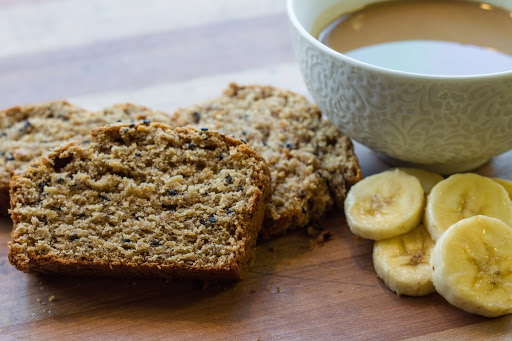
We then started thinking about how we could use tahini in an American standard. Peanut butter and bananas are a classic combo…so why not tahini and banana? And how about using our other favorite new ingredient—Turkey red high extraction flour grown in Ohio with the white flour in the recipe? The combination makes for a rich, moist and nutty flavored banana and tahini bread.

Join us for these tahini treats and some winter eating exploration in January and February 2018. We can dream of the warm Eastern Mediterranean as we savor the flavors.
–Check out our Baking With Tahini class
By Amy Emberling
Zingerman’s Bakehouse co-owner, author & baker
The post The Tahini Invasion appeared first on bake blog.
]]>The post Goin’ More Organic at the Bakehouse appeared first on bake blog.
]]>We’re super excited to announce that as of April 1st, 2017, the artisan all-purpose wheat flour we use in our baking is 100% organic. (That’s a mouthful!) This is a huge change for us. We’re thrilled to have made it and to let you know about it.
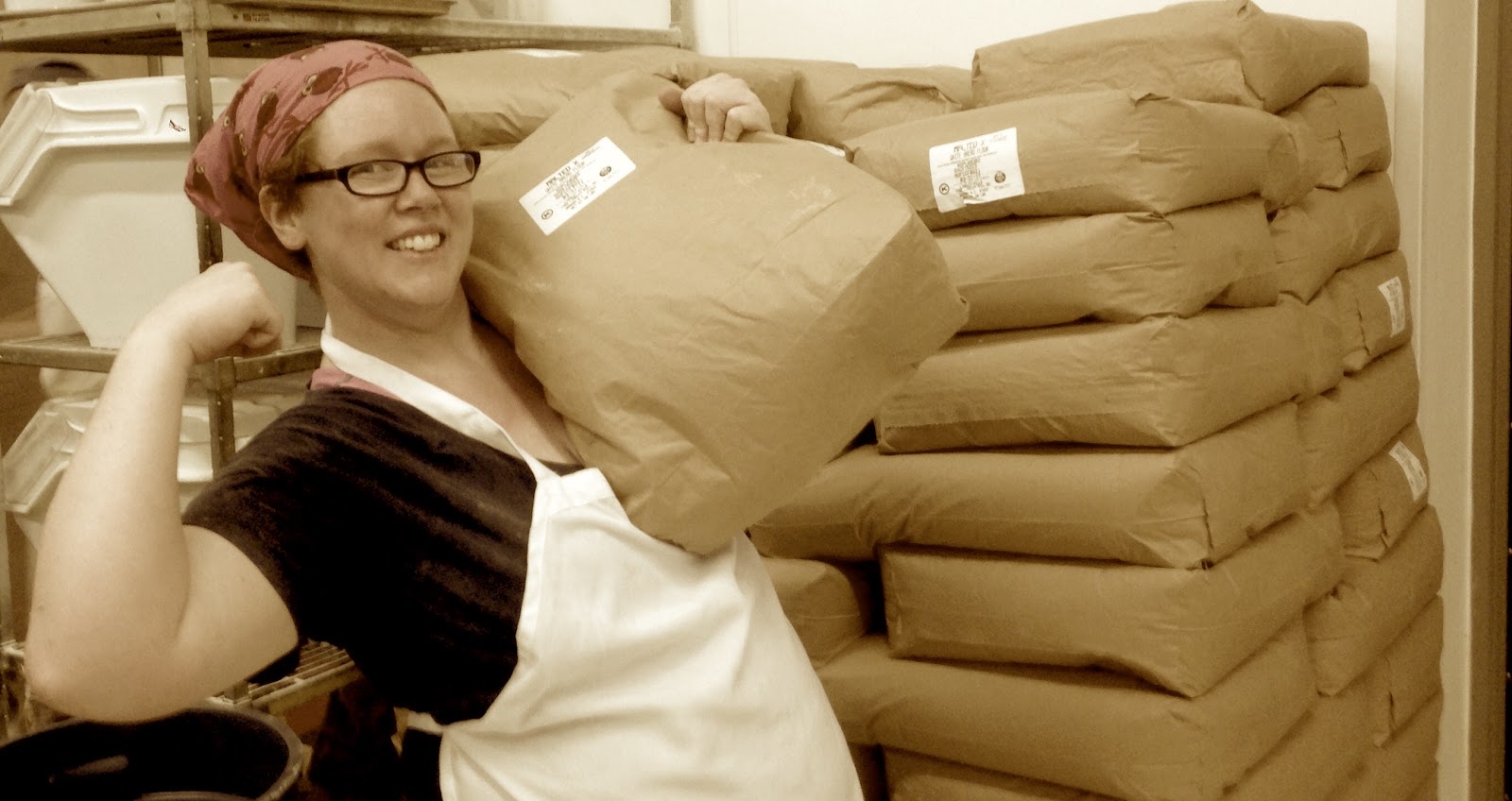
We use many different grains and flours at the bakery, but we use exponentially more all-purpose flour than any other ingredient which makes this switch a radical one. We began experimenting with our new flour in January, reworking our hundreds of recipes to reflect its particular properties. Yes, not all AP wheat flour is exactly the same. Our new organic flour has a different protein content, enzyme activity and absorption rate (stuff that professional bakers are concerned with) which means we need to use different amounts of it to make our breads and pastries as we all enjoy them. It’s true, basic flour is a complicated ingredient. Now all of the adjustments are made and the only AP wheat flour we have in the bakery is organic. Enjoy!


Why now?
We’re almost 25 years old and just like many 25-year-old humans we are energized, learning and interested in continuing to change and grow. The possibilities of the future seem limitless and using more organic ingredients is one of them.
We have considered using organic flour off and on for years. There is much that is compelling about -the most obvious being that it’s better for our environment! At times the supply wasn’t reliable enough so we didn’t move forward. At times we were more motivated to do other work that we thought would more greatly impact the flavor of our food. It was always on the list though. Almost exactly a year ago Frank, co-managing partner and Bakehouse founder said that it was time. He felt strongly that we had to make the leap for value reasons -for our world, and that we would figure out how to manage all of the challenges that would come with the change later. With value-based decisions we often have to throw away our rational approach to the decision-making process and go with the idea “It’s the right thing to do.” We can re-engage with analytical thought, spreadsheets and cost calculations when figuring out how to make it work. So the team began planning and here we are today a year later with the switch completed.

Who’s milling our organic AP Flour and where are they sourcing the grain?
Lindley Mills, based in central North Carolina, is our partner in this project and we couldn’t have found a partner more aligned with us in terms of commitment to great food and restoring traditional methods. We have actually been working with Lindley since 1996, buying their germ-restored flour which many of us enjoy on our Pain de Montagne.

They have a mission and vision that we find completely compelling. Their stated mission is …to provide the best organic flour to our customers. Our milling approach is a blend of tradition, technology, and cutting-edge innovation. This is what sets Lindley Mills’ organic flours apart from the rest, and what continues to fuel our passion for producing some of the highest-quality organic flours in the United States.
Joe Lindley has been milling since 1976. Amazingly, his mill is located at the original site of the 1755 water mill built by Pennsylvania Quaker and settler Thomas Lindley. Today, tenth-generation Lindley’s still run Lindley Mills, keeping the tradition of their family going.
After 35 years they have developed a network of growers from all across the United States. Their ability to source the highest quality wheat from diverse geographical regions allows their organic flours to be consistent and performance-driven which means we will be able to make great breads and pastries with it every day.

What other organic ingredients do we use at the Bakehouse? Are we planning on using more?
When we choose ingredients we have many criteria to consider -flavor, availability, organic status, location, non-GMO, handling and transportation requirements and yes, cost. Flavor trumps all though!
Right now the other organic ingredients we use include many grains -germ restored flour, brown rice flour, buckwheat flour, 7-grain mix, cracked wheat flour, Pane Nero (tumminia) flour, cornmeal, and spelt flakes and a few other items like Mindo unsweetened chocolate and Majoub olive oil.
We’re now contemplating changing more of our most used ingredients -sugar, butter, and eggs to organic versions. Our most likely next step may be to switch to organic white granulated sugar. We’re using local, fresh eggs, although not organic we’re very happy with them and our partners in dairy for our entire history has been the local family owned Guernsey Dairy. We love our Wisconsin butter but we’ll probably assess what’s available in the organic world. It would be great to have full-flavored butter that happens to be organic. Perhaps it’s out there now.
What else are we going to do with our 25-year-old energy and enthusiasm?
In October we’ll be unveiling a recipe book we’ve been working on for two years and then we’ll be making updates to our retail shop. Stay tuned!
-Amy Emberling, Bakehouse co-owner
—Read more about Frank’s work on flour and local grains
The post Goin’ More Organic at the Bakehouse appeared first on bake blog.
]]>The post Purim: The Rowdy Jewish Holiday & Time to Enjoy Hamentaschen appeared first on bake blog.
]]>Celebrating Purim was a different story. It was almost like having a party in Synagogue and I remember enthusiastically anticipating it every year and vividly remember the celebrations. Purim typically lands in late winter or early spring. It celebrates the foiling of a plot to commit genocide against the Jews of Persia. Hamen was a vizier of ancient Persia who plotted to kill all the Jews in the empire. His plan was stopped by the Persian (and Jewish) queen Esther. Go Esther, hurray for a female heroine!

Why was it a rowdy holiday? Every year as the Rabbi read the story of Purim we were encouraged to make lots of noise with special noisemakers to drown out the name of the evil Hamen. What could be more fun than being encouraged to make tons of noise in the usually somber and serious prayer chamber! Our Rabbi, Rabbi Weinberg was a ruddy-faced youngish man who the congregation loved. The children loved him because he seemed to enjoy the noise making as much as we did. He had a playful twinkle in his eyes when we wanted to do childish things and often we could get him to participate. In many communities, the children also dress up as the characters in the story, a sort of Jewish mardi gras. It was probably the most joyful day of the year in Synagogue from my little kid’s perspective.
As with most holidays around the world, in every culture and religious tradition there’s a special food associated with Purim. For Purim, it is a triangular sweet treat called a hamentaschen. Why are they triangular, and what does the name mean, anyway? Oy. It’s quite a story. The name is German and means “Hamen’s pocket” and may refer to the bribes Hamen took as vizier. It has also come to mean “Hamen’s hat”. Triangular hats were not worn in ancient Persia, but they were worn in Medieval Germany. There are even Medieval religious interpretations that the three points represent the patriarchs Abraham, Isaac, and Jacob. So the story is complicated! But it’s clear that hamentaschen are a celebration of the delicious sweetness of life.

The cookie is traditionally made either with a cookie dough or with a yeasted dough. They are typically filled with sweetened cheese, preserves of many flavors, and poppy seed paste. At Zingerman’s Bakehouse, we have always made the cookie version. This year, for the first time we’re also going to try our hand at the yeasted version. We have time to play and what do bakers do when they play? They make new recipes. Since it’s a bit of a test they will only be available at the bakery. If all goes well they’ll be at the Delicatessen next year.
So please celebrate Purim with us no matter what your religious affiliation. Make some noise to support life and eat some hamentaschen! Be rowdy for love and peace!
by Amy Emberling, Bakehouse co-owner
—————–
-Learn to bake them in our Who’s Who of Jewish Cookies class
–Send our hamentaschen to yourself or someone else
undefined
The post Purim: The Rowdy Jewish Holiday & Time to Enjoy Hamentaschen appeared first on bake blog.
]]>
Langós, deep-fried flatbread eaten with a variety of toppings like sour cream and dill or cheese and ham, is Hungary’s most popular street food.
Who doesn’t love fried dough? Hungarians certainly do. There are langós stands in many food markets and they are regular features at street fairs and public events. It’s common to see people standing at counters eating hot fried dough mounded with an amazing combination of meat, cheese, and vegetables. Some langós dough is very simple: water, flour, salt, and yeast. A slightly more complicated version includes mashed potatoes and sometimes even chopped cabbage. Ours is made with potatoes.
Langós didn’t start as a fried treat made in a public setting. It was originally a snack made at breakfast time on bread making day in traditional Hungarian homes. The bread dough was mixed, a fire was started in the wood-fired oven and then small pieces of the proofing dough were baked near the flames. It was a morning treat, to sustain the bakers and probably their children, while the bread making process continued. It’s been a long time since most Hungarian homes baked their own bread and as that tradition faded langós evolved into a fried street food.
Expect to eat langós soon after it’s fried. At most langós stands you’ll have a choice of many toppings plus the opportunity to brush your warm dough with garlic water.
At Zingerman’s Bakehouse, our Langós is brushed with garlic and sour cream, sprinkled with fresh dill, topped with Hickory Smoked Ham, Marieke 1-year Gouda cheese, and a dusting of Hungarian paprika!
Available on Tuesdays and Saturdays from 11:00 AM to 1:30 PM.
by Amy Emberling, Zingerman’s Bakehouse co-owner, baker & Hungarian traveler
–Take our Langós making class
–Learn more about our Hungarian foods
The post The Mystery of Fondant appeared first on bake blog.
]]>
Many of our guests wonder and worry about fondant.
What is it? Doesn’t it taste bad? Why is it used?
Fondant is a confection made primarily with sugar and sometimes a flavoring. Often it has guar gum in it, which gives it the elasticity it needs to be rolled out and placed over a cake. If you read the packages of some candies like After Eight Mints® you’ll even see that fondant is named as a component. It’s the white minty filling.
One of the biggest concerns our guests have is that fondant tastes bad. Many fondants do, but since we make our own and don’t use any chemicals or preservatives the flavor is primarily sweet with a touch of vanilla. (I will dare to say that it tastes like the inside of an Oreo® cookie. Even the longest standing foodies among us will still probably remember what that tastes like.) The other mistake often made with fondant is that cake decorators use too much of it. It should be a very thin layer covering a thin layer of great tasting buttercream. Essentially the fondant shouldn’t really be noticed when we eat the cake.

Why do decorators use fondant?
The first reason is that it allows us to use specific decorating techniques not possible with other mediums and it has a particular very smooth even look that many people like. Fondant also stands up very well to travel, keeps cake fresh longer and stands up well in hot and humid environments. If you’re having an outdoor party or wedding in August it’s a safer choice than buttercream.
Come on by the bakery and ask for a taste of fondant.
We always have some on hand in our cake department. Wonder over to our cake showroom room to see it in use!
by Amy Emberling, Zingerman’s Bakehouse co-owner and baker
–Take our fondant making class
–View celebration cake photo gallery
The post The Mystery of Fondant appeared first on bake blog.
]]>